

The ERM meaning in text is simple: “erm” is a filler word that shows hesitation, doubt, or mild awkwardness. It is the written version of the pause people make when they say “um” or “uh.” It is not a full acronym, and that is why it confuses so many readers.
Still, “erm” can carry different moods, from nervous to sarcastic to playfully judgmental. In work and finance, ERM is also a real acronym with a very different meaning. This guide explains both sides, with clear examples, so you always know what you are reading.
Someone Replied to You with Just “Erm” and Now You’re Not Sure How to Feel
You asked a simple question, and the answer came back as one word: “erm.”
Is it a no? A maybe? A polite way of saying “that’s weird”? The good news is that it rarely means anything harsh. In most cases, the sender is thinking, feeling unsure, or reacting with a bit of awkward humor. The rest of the message, and the relationship, tells you which one.
ERM Meaning
“Erm” is an informal filler word used to show hesitation, thinking, or uncertainty. It is common in British English, but people use it online everywhere.
Example
- “Erm, I’m not sure I can make it tonight.”
- “Can you, erm, send me that file again?”
What Does ERM Mean in Text? (Quick Answer)
In text, “erm” means a pause or hesitation, like “um” or “uh.” It signals that the sender is unsure, thinking, or reacting awkwardly.
Some people also use it jokingly or sarcastically, as in “erm, actually,” which mimics a know-it-all tone.
Simple Meaning: Breaking It Down in Plain Words
Think of “erm” as a typed pause. When you speak and don’t know what to say yet, you fill the quiet with a sound. Texting has no sound, so people write it out.
It carries three main moods:
- Thinking: “Erm, let me check.”
- Unsure or nervous: “Erm, I don’t think that’s right.”
- Joking or sarcastic: “Erm, excuse me?”
Where Is “ERM” Used?
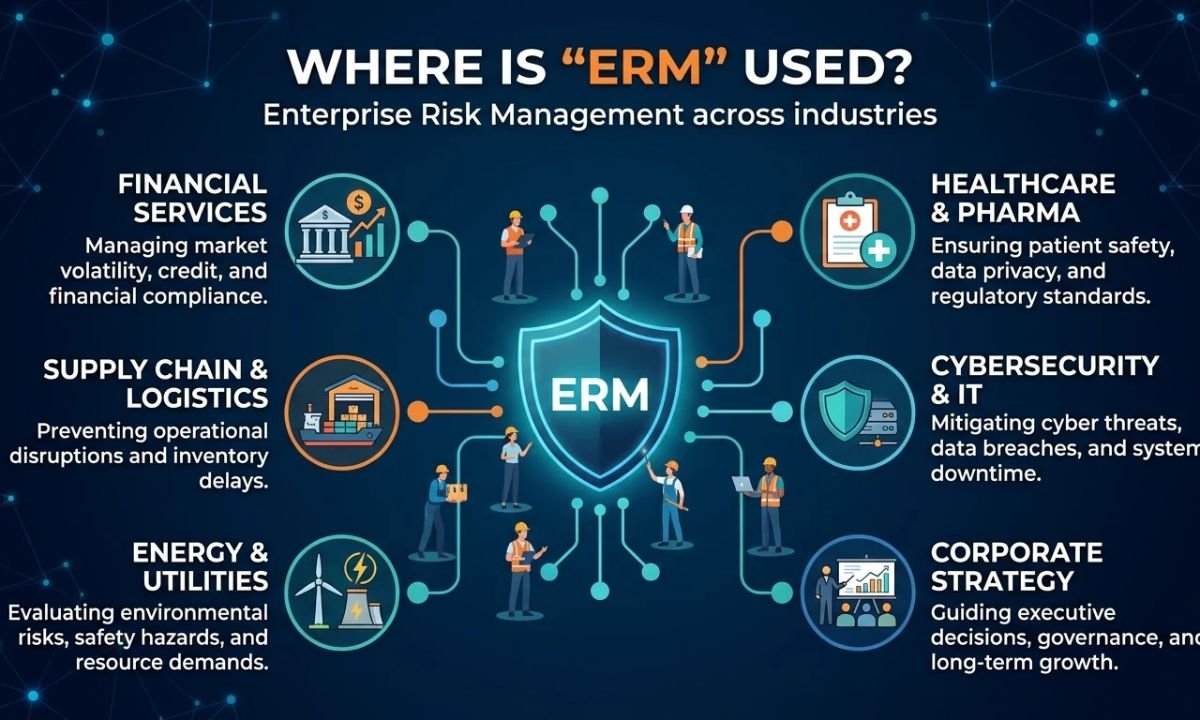
You will see “erm” in many places:
- Text messages and group chats
- Social apps such as Snapchat, Instagram, and WhatsApp
- Comments, memes, and replies on X and TikTok
- Casual emails between friends or colleagues
- Spoken English, especially in the UK
In writing, it shows up mostly in relaxed, friendly, or humorous messages.
Why Do People Use “ERM”?
People type “erm” for a few reasons:
- To copy real speech: it makes text sound natural.
- To soften a message: “Erm, I disagree” feels gentler than a flat “I disagree.”
- To buy time: it signals that a thought is coming.
- To show awkwardness: it fits embarrassing or strange moments.
- To joke: it is part of internet humor and meme culture.
ERM Meaning On Social Media
On Snapchat
On Snapchat, “erm” works like a filler word with no fixed meaning. Users add it to snaps and chats to show they are thinking or feeling awkward, as in “so, erm, what do you do?”
On Instagram, you will see it in DMs and story replies. It can mean hesitation, or a playful reaction such as “erm… did you just post that?”
On Facebook, “erm” appears in comments when someone disagrees politely or feels unsure. It is a softer way to say “I’m not so sure about that.”
On WhatsApp
On WhatsApp, “erm” helps copy a spoken pause in private and group chats. It usually means “give me a second” or “I’m not sure.”
Erm Meaning from a Girl
When a girl texts “erm,” it usually means she is hesitating, thinking, or feeling a little awkward. Check the rest of the message and any emojis.
- “erm, maybe 😅” often means she is unsure.
- “erm… okay” can mean mild doubt.
- “erm, no thanks” is a polite, soft refusal.
If you aren’t sure, a friendly follow-up question clears things up fast.
Real-Life Examples of “ERM” in Action

Hesitation
- “Erm, I forgot where I put my keys.”
Polite disagreement
- “Erm, I think the meeting is at 3, not 2.”
Awkward moment
- “Erm, why is the cat in the fridge?”
Playful sarcasm
- “Erm, actually, it’s pronounced ‘gif’ 🤓”
Thinking
- “Let me see, erm, I can do Saturday.”
ERM vs Similar Terms
| Term | Meaning | Tone |
| Erm | Hesitation, awkward pause | Soft, thoughtful, sometimes sarcastic |
| Um | Filler while thinking | Neutral |
| Uh | Filler, often confused | Neutral to awkward |
| Hmm | Thinking or doubt | Curious |
| Uhh | Stretched, awkward pause | Embarrassed |
| Well… | Introducing hesitation | Polite |
“Erm” is the British cousin of “um.” They work the same way, but “erm” sounds slightly more polite and thoughtful.
More Meanings Of ERM
Outside of texting, ERM is a formal acronym. The meaning depends on the field.
Erm meaning in risk management
In business, ERM means Enterprise Risk Management. It is a process companies use to find, assess, and control risks, such as financial loss, legal issues, or cyber threats, before they harm the organization.
Erm meaning euro
In economics, ERM means the Exchange Rate Mechanism. It was a system in the European Monetary System that kept currencies within set limits against each other. A later version, ERM II, links the currencies of some EU countries to the euro before they adopt it.
ERM meaning in banking
In banking, ERM means Enterprise Risk Management too. Banks use it to manage credit risk, market risk, and operational risk across the whole organization. It helps protect customers and keep the bank stable.
Other less common uses include “employee relationship management” and “electronic records management.” Always read the surrounding words to find the right one.
When Should You Use “ERM” And When Not?
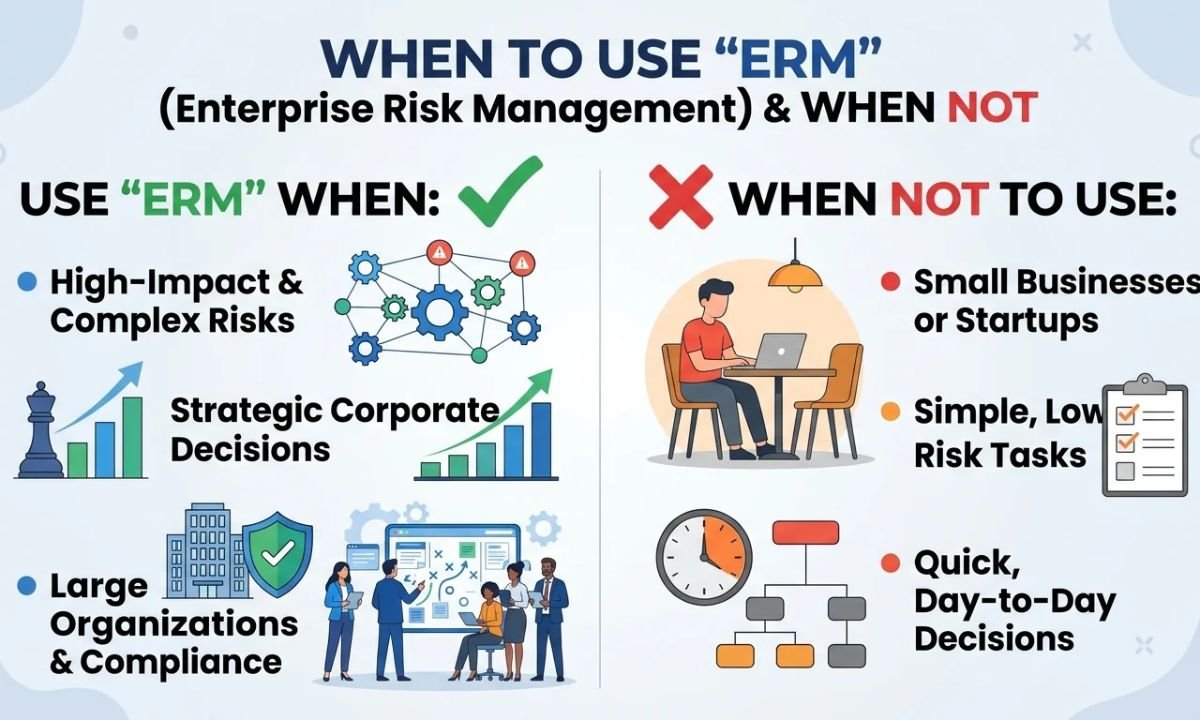
Use “erm” when:
- You are chatting with friends or family.
- You want to sound natural or soft.
- You are joking or showing mild awkwardness.
- You need a moment to think.
Avoid “erm” when:
- You are writing formal emails or reports.
- You are applying for a job or sending a business proposal.
- You want to sound confident and direct.
- A short, clear reply would be better.
Common Misunderstandings About “ERM”
- “It’s an acronym.” In chat, it’s not. It is a sound, like “um.”
- “It always means no.” It can mean maybe, wait, or just a pause.
- “It’s rude.” Rarely. It is usually polite or awkward.
- “It’s only British.” It started in British speech but spreads online.
- “ERM is always business-related.” Only in finance and company settings.
Grammar Rules
“Erm” is a filler word, so rules are loose, but a few habits help:
- Spelling: write “erm,” not “ehrm” or “erhm.”
- Commas: set it off with commas: “Can you, erm, help me?”
- Ellipses: “erm…” stretches the pause.
- Capitalization: lowercase is common. Capital “Erm” fits sentence starts.
- Formal writing: avoid it in essays, reports, and professional emails.
- Tone: emojis can show whether you are nervous or joking.
Pro Tips for Using “ERM” Correctly
- Match the mood. Use it for light, casual chats.
- Add context. Follow it with a clear point so the message isn’t confusing.
- Don’t overuse it. Too many “erm” can sound unsure.
- Use emojis wisely. 😅 shows awkwardness, 🤓 shows playful sarcasm.
- Switch for work. Say “Let me check” instead of “erm” in professional messages.
Frequently Asked Questions
What does “erm” mean in text?
It’s a filler word that shows hesitation or thinking, like “um.”
Is “erm” the same as “um”?
Yes, mostly. “Erm” is more common in British English.
Does “erm” mean no?
Not always. It can mean doubt, a pause, or a polite refusal.
What does “erm” mean from a guy?
It usually means he is unsure or thinking. Context decides the tone.
What does ERM stand for in business?
It stands for Enterprise Risk Management, a way to control company risks.
What does ERM stand for in finance?
It can mean Enterprise Risk Management or the Exchange Rate Mechanism.
Is “erm” rude?
No. It is usually soft and polite, unless used sarcastically.
Can I use “erm” at work?
Only in casual chats. Avoid it in formal emails.
Conclusion
“Erm” is a typed pause that shows hesitation, thought, or mild awkwardness. It works like “um,” and it can also be playful or sarcastic depending on the message. In business and banking, ERM is a different term altogether: Enterprise Risk Management.
Read the context, watch the tone, and use “erm” in casual chats. When the conversation turns formal, choose a clearer phrase, and your message will always land the way you mean it.

The author is a professional content writer specializing in word meanings, definitions, and English vocabulary. With over 6 years of experience in language research and educational content creation, they produce accurate, well-researched, and reader-friendly articles.