

The cabrona meaning depends on who says it, where they live, and how it sounds. In plain terms, cabrona is a vulgar Spanish word for a woman. It can mean a nasty person, much like the English b*tch, or a tough, impressive woman, much like “badass.”
You may have heard it in a song, a show, or from a friend in Mexico. Maybe someone just called you that, and you’re not sure whether to smile or step back. This guide explains the real cabrona meaning in Spanish and English, how it differs from cabrón, how people use it online, and how to react. Because it’s a strong word, read the “when not to use it” section before you try it yourself.
cabrona meaning
Cabrona is the feminine form of cabrón. It’s a vulgar slang word that can be an insult or, among friends, a compliment.
Its two main senses are:
- Insult: a mean, annoying, or deceitful woman
- Compliment (mostly Mexico): a fearless, strong, impressive woman
Examples
- “Esa cabrona me mintió.” → “That b*tch lied to me.” (insult)
- “Mi mamá es una cabrona, nunca se rinde.” → “My mom is a badass, she never gives up.” (compliment)
cabron meaning Vs cabrona meaning
Cabrón is the masculine word, and cabrona is the feminine one. Both come from the same root and share the same range, from rude insult to friendly teasing.
| Cabrón | Cabrona | |
| Gender | Masculine | Feminine |
| Insult sense | Bastard, a**hole | B*tch, mean woman |
| Compliment sense | Tough guy, badass | Tough woman, badass |
| Friendly use | “Dude” among male friends | Used among close female friends |
cabrones meaning
Cabrones is the plural of cabrón. It can mean “bastards” in anger, or “guys” and “dudes” among friends in Mexico. A mixed group can also be called “cabrones.” For an all-female group, the plural is cabronas.
What Does Cabrona Mean in Spanish?
The word comes from cabra, the Spanish word for goat. The Real Academia Española says “cabrón” is an augmentative of “cabra,” and its entries include “male goat” as a literal meaning.
The dictionary also lists figurative senses. These include a person who does bad turns or is annoying, and, in Mexico, a person with a bad temper. A vulgar sense refers to a man whose partner is unfaithful. The feminine “cabrona” follows the same pattern for a woman.
Cabrona Meaning in English Explained
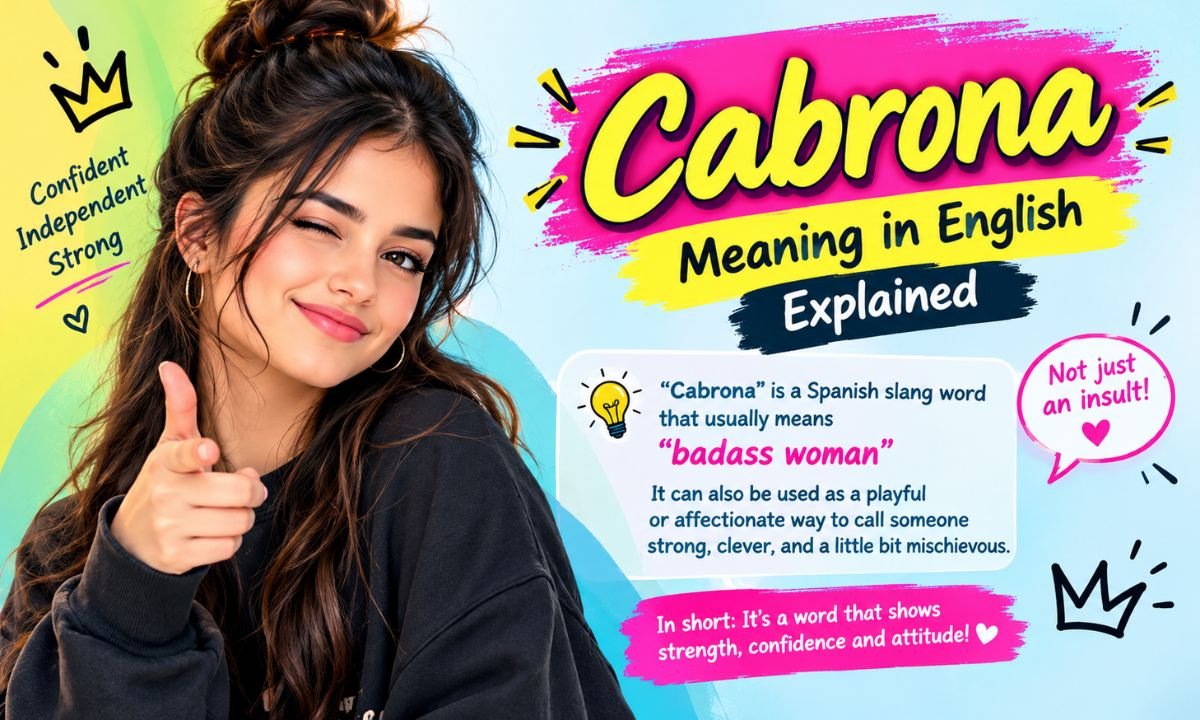
In English, cabrona most often translates to “b*tch” when it’s an insult. A softer match is “mean woman” or “difficult woman.”
In a positive sense, it can be close to “badass,” “boss,” or “she’s tough as nails.” So the English version changes with the tone, just like the Spanish.
Cabrona Meaning in Spanish Slang
In slang, cabrona is flexible. People may use it to describe:
- A woman who is bold and doesn’t take nonsense
- Someone who is very good at something
- A person who is mean or sneaky
- A close friend, in a teasing way
Related words show how far the root spreads. The RAE lists “encabronar” as a vulgar verb meaning to make someone angry. So “cabron-” words often connect to anger, toughness, or attitude.
Is Cabrona a Bad Word or an Insult?
Yes, it is a bad word. The RAE labels several senses of the root as vulgar or colloquial, and most speakers treat it as a strong swear word.
Use it with strangers, coworkers, or elders, and it can cause real offense. It’s best to treat cabrona as an insult unless you are sure it’s a joke between close friends.
Cabrona Meaning: Insult or Compliment?
It can be either, and the context tells you which:
- Who says it? A close friend is more likely to mean it kindly.
- How do they say it? A laugh and a hug point to praise. A cold tone points to anger.
- What comes after it? “Eres una cabrona, ¡qué bien lo hiciste!” is praise. “Eres una cabrona, me mentiste” is an insult.
- Where are they from? Mexican speakers use the friendly sense more often.
If you can’t tell, don’t assume it’s a compliment.
What Does Cabrona Mean When a Girl Says It?
When a girl says it, the meaning follows the same rules. Between close friends, it can be a loud, loving shout, like “Gracias, cabrona 😘.”
When a girl says it in anger, it hits like any other strong insult. A girl may also call herself a cabrona to show confidence, as in “Soy una cabrona, y me va bien.” So check the tone and the relationship.
How Is Cabrona Used in Everyday Conversations?
Common patterns:
- As a noun: “Esa cabrona es mi mejor amiga.”
- As an adjective: “Está bien cabrona esa chava.” (She’s really tough.)
- As a greeting between friends: “¿Qué onda, cabrona?”
- In anger: “No seas cabrona.” (Don’t be mean.)
Notice that “bien” before it works like “really,” as in “bien cabrona.”
Cabrona vs. Cabrón: What’s the Difference?
The only real difference is gender. Cabrón is for men, and cabrona is for women.
One more point: cabrón is used more widely as a casual address among men, like “dude.” Cabrona is used that way too, but less often, and it’s more commonly heard in an insult or as “badass.” The tone rules apply to both.
Use Of Cabrona In Social Media
Online, you read the word without hearing the voice. That makes tone harder to judge.
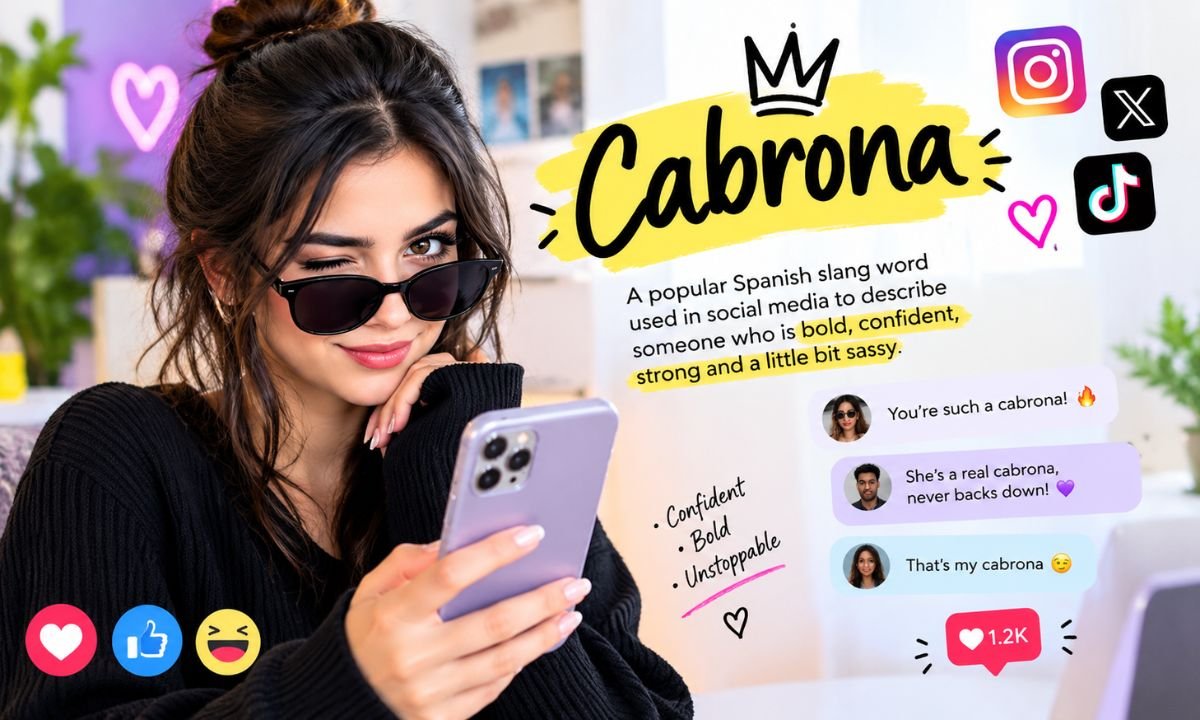
On Instagram, cabrona shows up in captions and hashtags about strong, confident women. You may see it in “cabrona y empoderada” type posts. It can also appear in angry comments.
On WhatsApp, friends send it in jokes and voice notes. A message like “Gracias, cabrona” is usually friendly, but only if the people know each other well.
TikTok
On TikTok, creators use it in comedy, song clips, and “boss woman” videos. Comments can be funny, proud, or rude, so read the context.
SMS Conversation
In plain texts, you have no voice or face. The same message can read as love or as an attack. If you’re unsure, add an emoji or skip the word.
Examples of Cabrona in Spanish Sentences
| Spanish | English | Tone |
| “Eres una cabrona, ¡qué bien lo hiciste!” | “You’re a badass, you did great!” | Compliment |
| “Mi jefa es bien cabrona.” | “My boss is tough as nails.” | Mixed or praise |
| “Esa cabrona me robó la idea.” | “That b*tch stole my idea.” | Insult |
| “No seas cabrona, ayúdame.” | “Don’t be mean, help me.” | Mild scolding |
| “Gracias, cabrona 😘” | “Thanks, girl 😘” | Friendly |
Grammar Rules
- Gender: Cabrona is feminine singular. The plurals are cabronas (all women) and cabrones (mixed or male).
- Article: Use “una” or “la”: “una cabrona.”
- Part of speech: It works as a noun or an adjective.
- Intensifier: “Bien cabrona” or “muy cabrona” adds emphasis.
- Verb: The related verb “encabronar” means to anger someone.
- Register: It’s vulgar, so avoid it in formal writing.
How to Respond When Someone Calls You Cabrona
First, check the tone and who said it.
- If it’s a friend joking: Smile and answer back, “¡Tú más!” (You too!)
- If you’re not sure: Ask, “¿Lo dices en buena onda?” (Do you mean that in a good way?)
- If it’s an insult: Say calmly, “No me hables así.” (Don’t talk to me like that.)
- If it keeps happening: Walk away, block, or report it.
You never need to accept a word that feels like an attack.
More Meanings Of Cabrona
Many searches mix up similar words. Here’s what each one means.
Carone meaning in Spanish
“Carone” is not a standard Spanish word. It’s most likely a misspelling of cabrón or cabrona, so check the context.
Cabrona food
“Cabrona” isn’t a dish. You’ll mostly see the word in names of Mexican restaurants and menu items that use its bold attitude.
Cabrona wine
I found no established wine meaning for cabrona. A bottle with this name probably uses the word for its edgy attitude, so check the label.
Calentona meaning
“Calentona” is Mexican slang built from “calentar” (to heat). It usually describes a woman who is flirty or easily aroused. It is vulgar and can be offensive, so avoid it in polite company.
Cabro meaning
“Cabro” is the base word for a young goat. In Chile, “cabro” is also a casual word for a kid or young guy. In other places, it may sound rude, so use caution.
Gabron meaning in Spanish
“Gabron” is a common misspelling of cabrón. It has the same meaning, with the same offensive and friendly sides.
Kulo meaning spanish
“Kulo” isn’t Spanish. People often type it for “culo,” a vulgar word for butt. In Tagalog, “kulo” means to boil, so the meaning depends on the language.
Cabrona restaurant
La Cabrona Cocina Mexicana is a restaurant in Fort Worth, Texas. Its listing says it serves Monterrey-style Mexican recipes. The name plays on the word’s bold, strong-woman side, but a restaurant name doesn’t change the slang meaning.
Is Cabrona Offensive in Mexican Spanish?
It can be. Many Mexican speakers use cabrona and cabrón as friendly or admiring words among friends. Still, it is vulgar, and plenty of people find it rude.
The meaning also changes by city, age, and family. A word that’s normal in a group of friends can feel offensive at a family dinner. If you’re a learner or a visitor, it’s safest to listen first and skip using it yourself.
When To Use And When Not To Use it ?
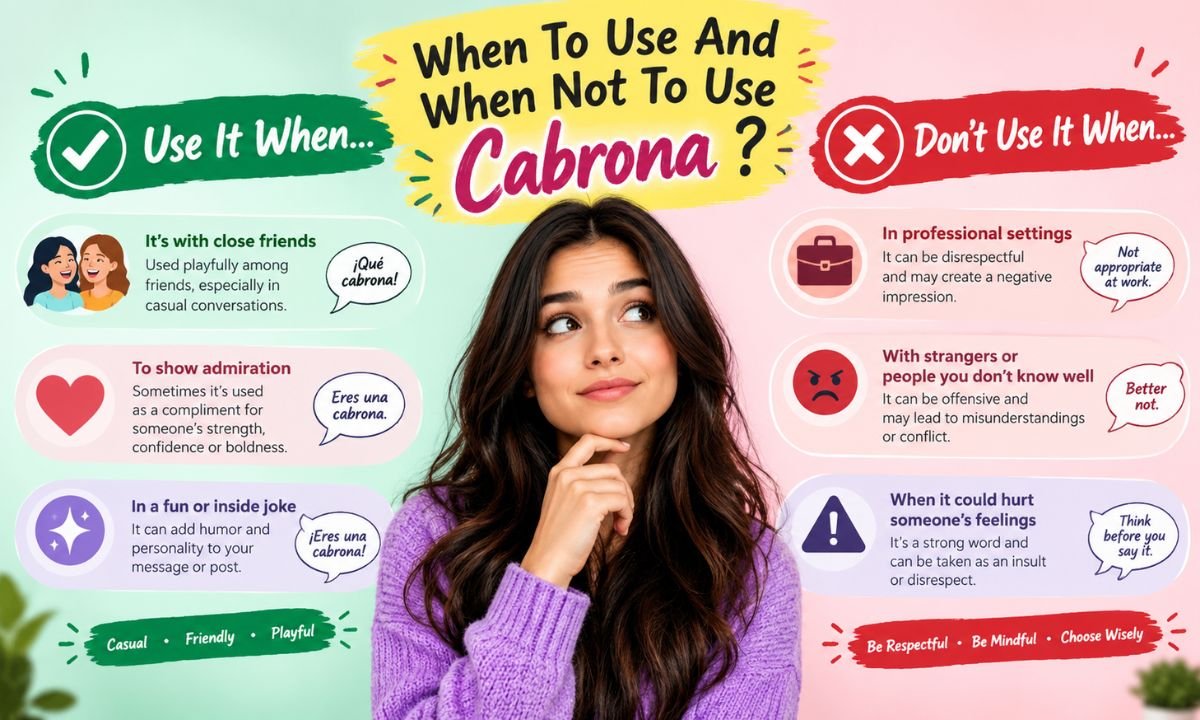
Use it when:
- You are with close friends who use the word themselves.
- The mood is playful and clear.
- You know the speaker’s background and comfort level.
Don’t use it when:
- You are talking to strangers, coworkers, elders, or teachers.
- You are not a native speaker and unsure of the tone.
- The setting is formal or public.
- You want to avoid sounding aggressive.
Frequently Asked Questions About Cabrona Meaning
What does cabrona mean?
It’s a vulgar Spanish word for a woman. It can mean a mean person or, in Mexico, a tough, impressive woman.
Is cabrona a bad word?
Yes. It’s vulgar, and most people treat it as a strong swear word.
Is cabrona a compliment in Mexico?
It can be, among friends, when it means “badass.” Tone and relationship decide.
What is the difference between cabrón and cabrona?
Cabrón is masculine, and cabrona is feminine. The meanings are nearly the same.
What does cabrona mean in English?
Most often “b*tch,” and sometimes “badass,” depending on tone.
Where does the word cabrona come from?
It comes from “cabra,” the Spanish word for goat.
Conclusion
The cabrona meaning is simple to state and tricky to use. It’s a vulgar word that can insult a woman or praise a tough one. The speaker, the tone, and the place all change the message.
If someone says it to you, check the context before you react. If you’re thinking of using it, wait until you know your audience well. When in doubt, a safer word is always the better choice.

The author is a professional content writer specializing in word meanings, definitions, and English vocabulary. With over 6 years of experience in language research and educational content creation, they produce accurate, well-researched, and reader-friendly articles.